Anglo-Eastern Univan Group (Anglo-Eastern), a global leader in independent ship management services, is drawing on its centralised Global Security Desk (GSD) to support vessels, crews and clients as the maritime security landscape continues to face one of its most prolonged periods of compound risk in recent memory.
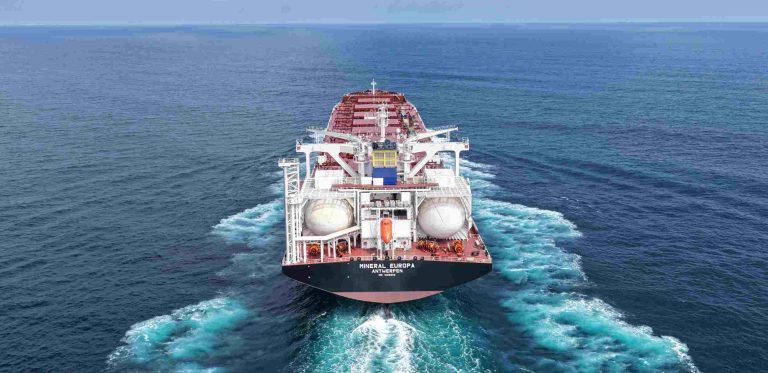
With the Strait of Hormuz closure now entering its fourth month and no clear timeline for reopening, the situation has become a significant operational challenge for fleet operators worldwide. Anglo-Eastern has 16 vessels and more than 350 seafarers from over 12 nationalities directly impacted, with developments being managed through the GSD’s structured intelligence and decision-support framework.
The current situation is not isolated. Multiple high-risk areas and war risk zones require simultaneous, sustained attention including the Red Sea and Bab el-Mandeb, the Gulf of Guinea, the east coast of Somalia, the Straits of Malacca, and the Black Sea. As a result, maritime risk has evolved beyond geographically defined hotspots, increasingly shaped by geopolitical fragmentation, sanctions complexity, cyber exposure, electronic interference, and rapidly shifting regional dynamics.
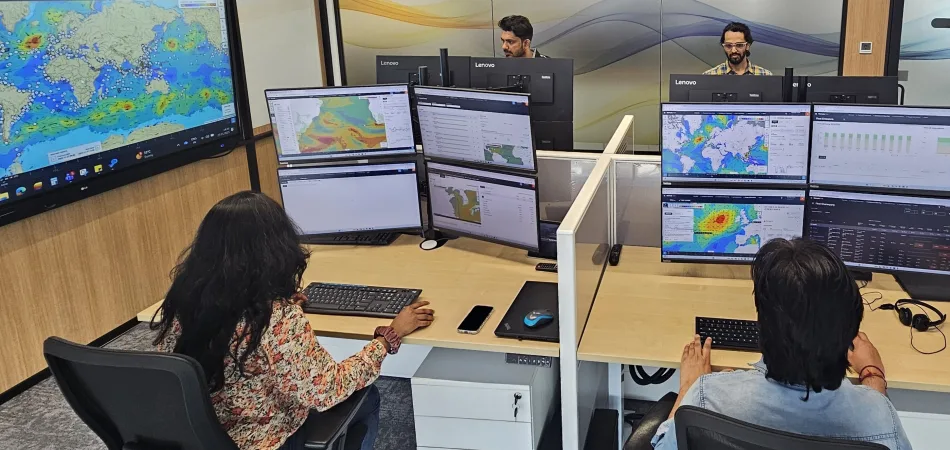
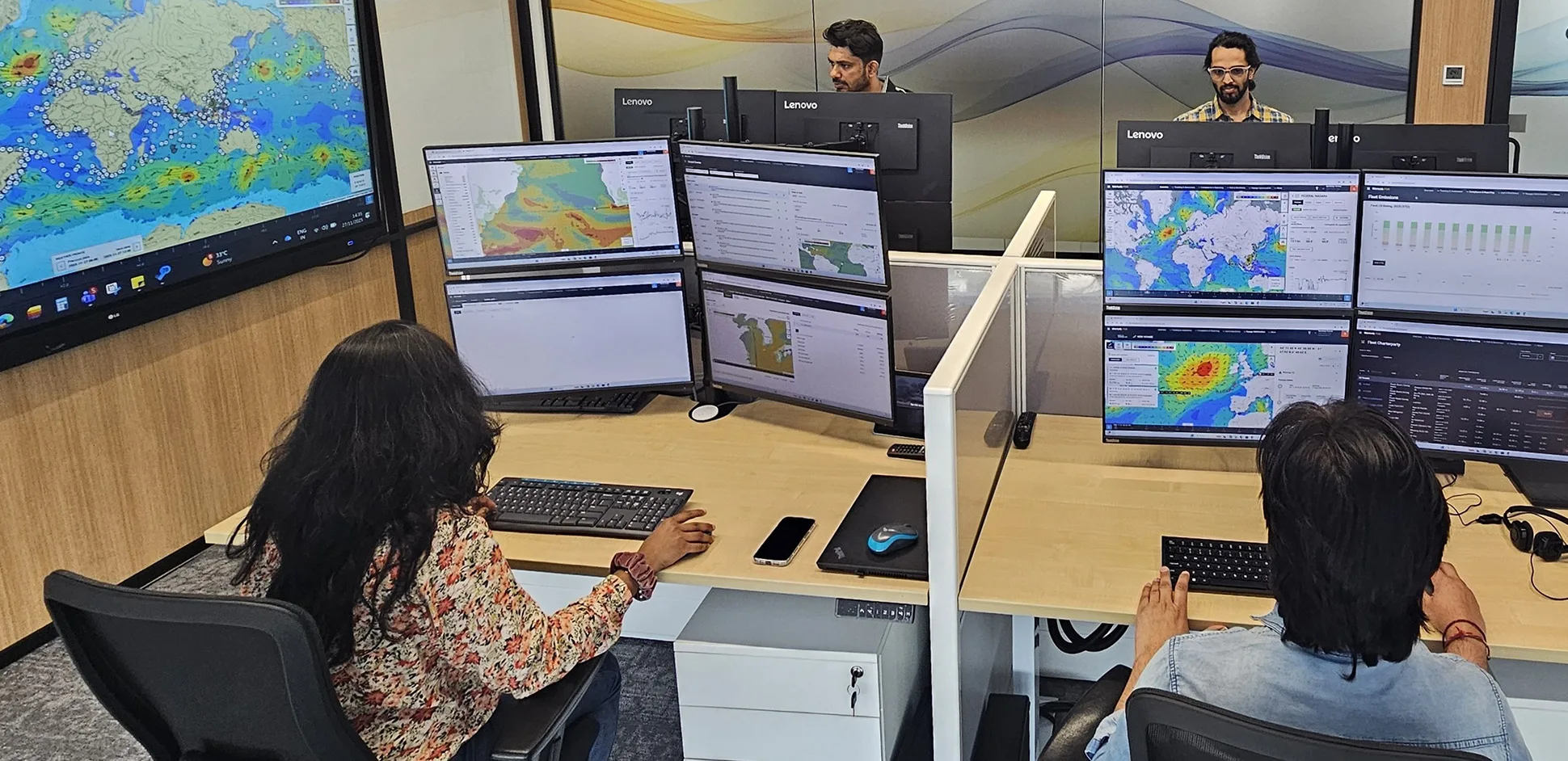
Anglo-Eastern established the Global Security Desk in 2024 to address the gap between the volume of available security information and the need for coherent, actionable intelligence. Operating as a centralised function alongside 24/7 risk assurance services, the GSD supports a managed fleet of over 700 vessels and is now proving its value with 30-50 ships transiting high-risk areas at any given time.
As referenced in Anglo-Eastern’s recent whitepaper, the Desk brings together multiple intelligence inputs from recognised naval and maritime security organisations, alongside ongoing liaison with flag states, P&I clubs and industry bodies. A structured operational cadence including overnight intelligence reviews, cross-functional coordination and vessel-level reporting ensures that developments are consistently assessed and that no vessel or crew falls below the threshold of attention during periods of prolonged uncertainty.
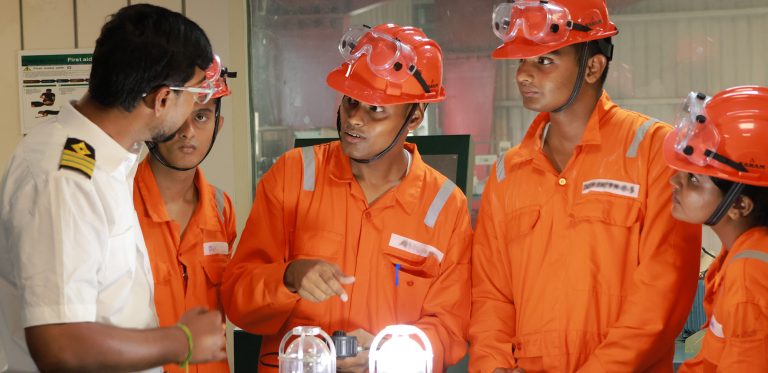
Beyond intelligence and monitoring, the GSD operates within a broader security framework encompassing crisis response coordination, provisioning support, crew welfare and engagement with external stakeholders. This reflects a long-standing view that effective risk management in today’s environment requires both technical capability and organisational readiness across multiple functions.
Swapnodeep Mondal, Group Managing Director, Operations and Shared Services at Anglo-Eastern, commented: “What the current environment demands is not more information, but better interpretation – the ability to place intelligence in context, compare it across a fleet, assess it against specific vessel and voyage profiles, and translate it into practical, timely guidance.”
Since the Strait of Hormuz crisis, the GSD has maintained a structured daily routine – coordinating intelligence reviews, cross-functional updates and direct communication with vessels and owners, so as to ensure continuous oversight and support for affected crews.
As the maritime risk environment continues to intensify, Anglo-Eastern remains focused on embedding structured, actionable security intelligence into day-to-day operations, supporting shipowners and stakeholders while safeguarding the welfare of seafarers across its managed fleet.
For more details of the aforementioned whitepaper, please refer to the link.