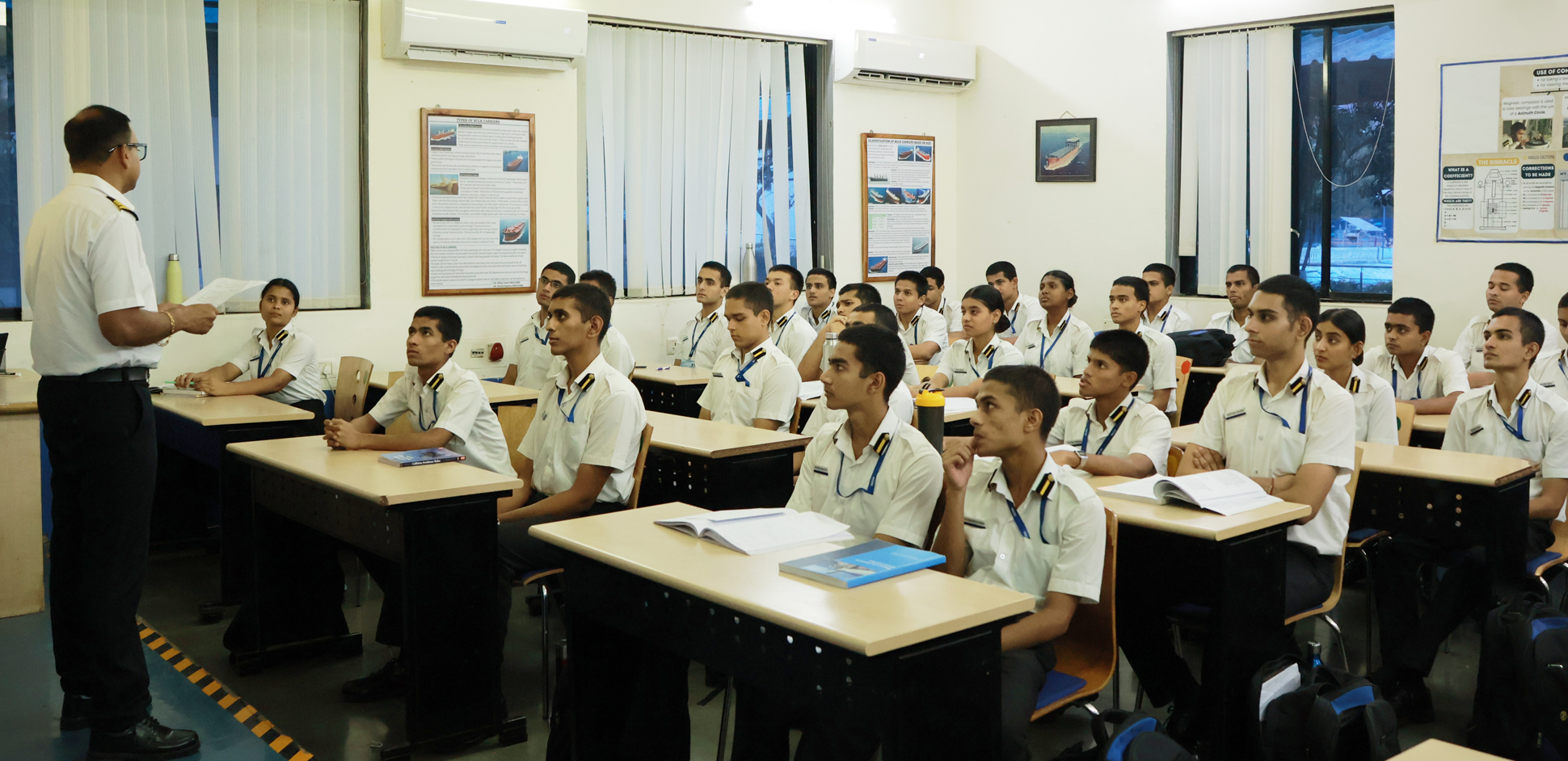
Capt John Bosco Moniz, General Manager, Shared Services at Anglo-Eastern, reflects on what he learnt after welcoming six graduates into the business and giving them the opportunity to contribute across the organisation
In August last year, I had a simple idea. What if we opened our doors a little wider and invited young graduates in, not just to learn from us, but to bring something new to us?
At the time, it felt like a small experiment. Today, it has become one of the most rewarding things I have been part of in my career.
Where it started
Every organisation needs fresh thinking. Over time, even the best teams settle into familiar ways of working. Our experience is valuable, but it can also make us slow to see what could work better.
I wanted to create a structured programme to bring new talent and new ideas into our Shared Services Centre, giving young people a real start in the maritime industry and our organisation a steady pipeline of capable, curious minds. That is how our Graduate Trainee Programme was born.
Six from nine hundred
When we opened applications, nearly 900 graduates applied. That number alone told us that there is real hunger among young people to build careers in our industry.
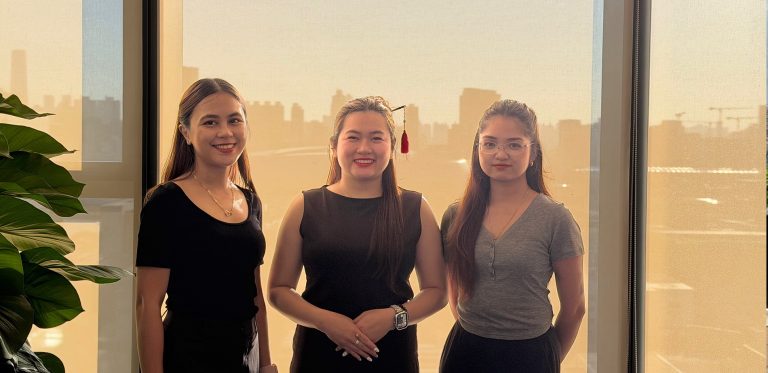
After a careful selection process, including talent assessments and several rounds of interviews, six graduates joined us. They came from different backgrounds: data analytics, information technology, business and international relations. That mix turned out to be one of the programme’s biggest strengths.
Learning the business from the inside
Rather than placing them in one team, we rotated them through departments across the business, from operations and procurement to accounts, technology, catering, security and port agency work. Each rotation was guided by a senior colleague who acted as their mentor in that area.
The idea was simple. Let them see how the whole organisation fits together before they decide where they belong, and let each department see what fresh eyes can do for them.
They went beyond observing: tackling real tasks, asking challenging questions and taking on their own projects, from developing digital tools and analysing costs and backlogs to supporting security work. Some of their ideas have already been implemented.
What it taught me
Managing a new generation is different. They want to understand the “why” behind every task. They are comfortable with technology in a way many of us are not. They will happily try three ways of solving a problem before asking which one is “correct”. This approach may seem unfamiliar at first, but becomes refreshing over time.
I learnt to listen more and instruct less. I learnt that a question from a 23-year-old can be just as sharp as one from a seasoned manager. I learnt new tools, new shortcuts and new ways of looking at problems I thought I already understood.
It was a humbling experience. After all the years since my sailing career, it is easy to believe you have seen most things. These young people reminded me that there is always more to learn and that good ideas do not depend on age or rank.
Why this matters for organisations today
Research reflects what we experienced. In a 2019 Harvard Business Review article, Jennifer Jordan and Michael Sorell discuss “reverse mentoring”, where younger employees share their knowledge with senior leaders. It can help leaders stay current while giving younger employees greater confidence and a stronger connection to the organisation. It is a valuable exchange for both.
In our case, graduates gained real experience and a clear view of the industry. Our teams gained energy, new methods and a fresh look at work they had been doing the same way for years.
For any company embracing the future, the lesson is clear. Bringing young people is an investment in how the organisation thinks.
Looking ahead
We started with six graduates, and plans are already under way for the next intake. We’re also looking at extending the programme beyond India. Ultimately, we want to give young graduates the opportunity to build long-term careers with us.
A word of thanks
I am grateful to the Anglo-Eastern leadership for trusting the idea, to the department heads and mentors who gave their time generously, and to our HR colleagues who helped bring it to life.
And to our six graduates, thank you. You came to learn from us. You ended up teaching us just as much.
If there is one thing I would say to other leaders: open the door,bring young people in, give them real work and be willing to learn from them. You may be surprised by how much they give back.
Contributor:
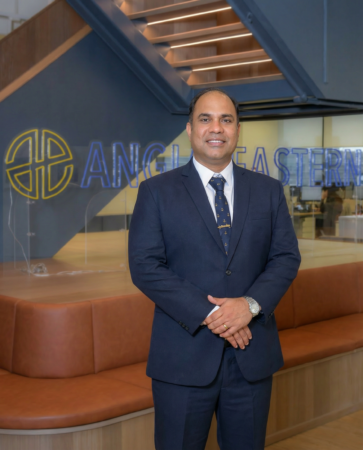
John Bosco Moniz is General Manager, Shared Services at Anglo-Eastern. He oversees a portfolio of operational transformation programmes, including the Shared Services Centre, Agency Hub, Vetting Desk, Global Security Desk and Procurement Hub.