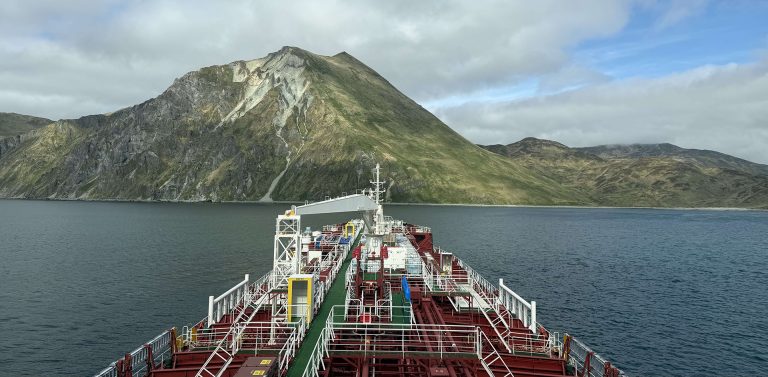
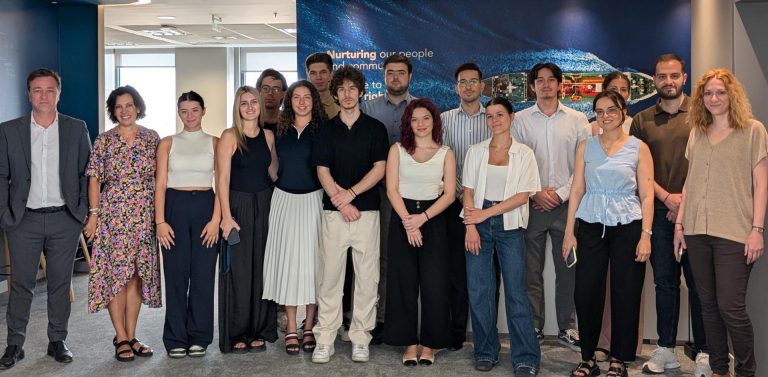
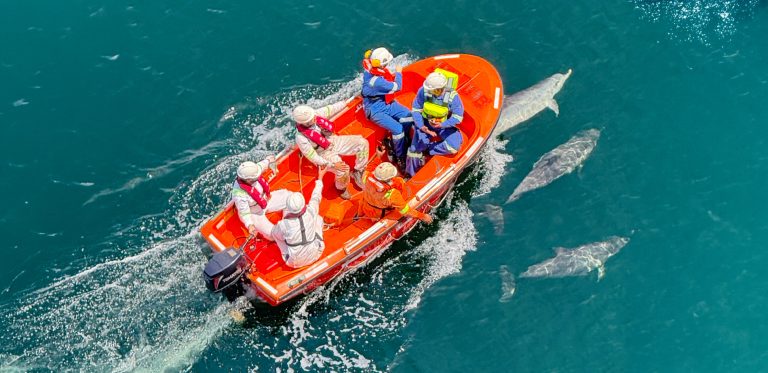
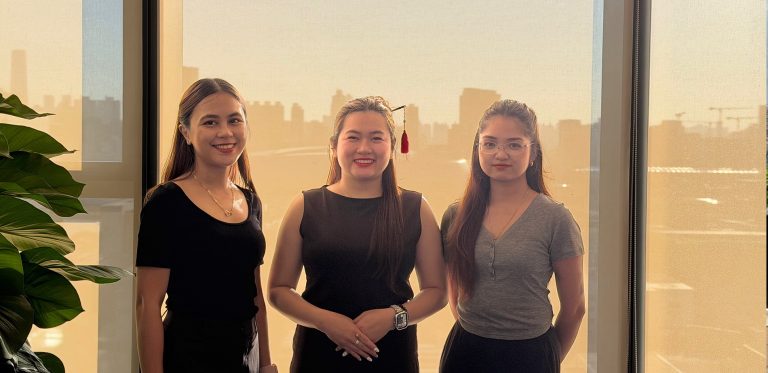
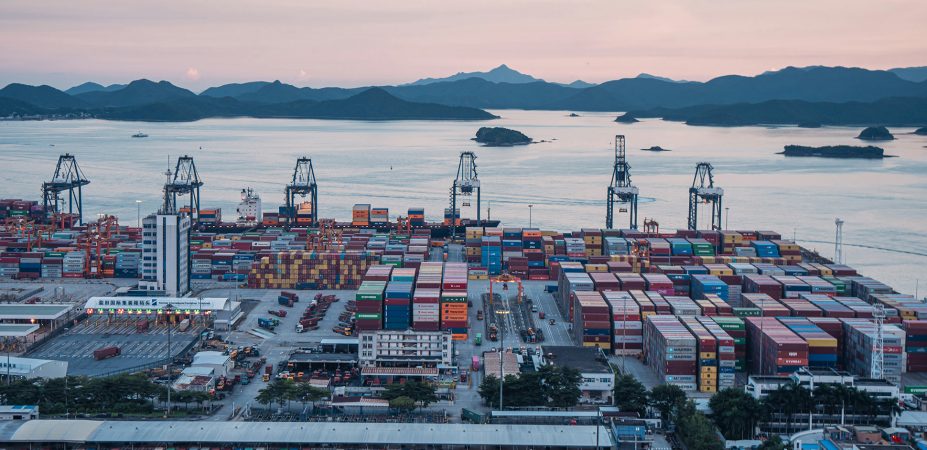
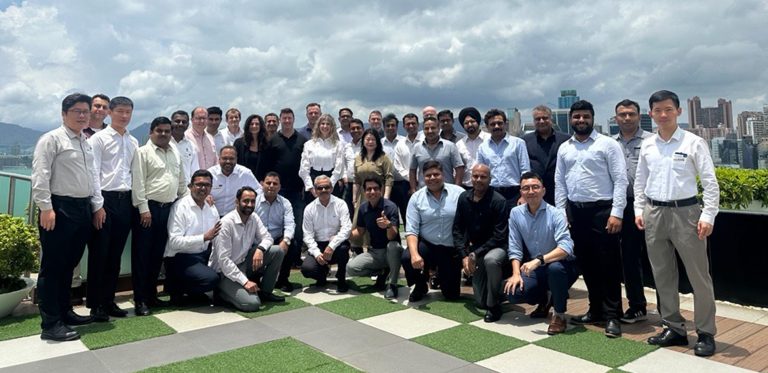
As part of our ongoing commitment to developing future maritime professionals, we provide opportunities for young talent to gain firsthand exposure to vessel operations. In this article, Allegra Ho, a Technical Intern from our Singapore Office who is pursuing a bachelor’s degree in Maritime Studies at Nanyang Technological University (NTU) in Singapore, shares her first ship visit to MT SG Friendship, an Anglo-Eastern managed chemical tanker owned by SG Line, offering a personal perspective on stepping onto a vessel and observing ship operations up close.
As part of my internship with Anglo-Eastern’s Singapore Office, I joined our QHSE Senior Manager, Capt Ashwani Garg, on a visit to MT SG Friendship, and it is my first time stepping foot on a vessel.
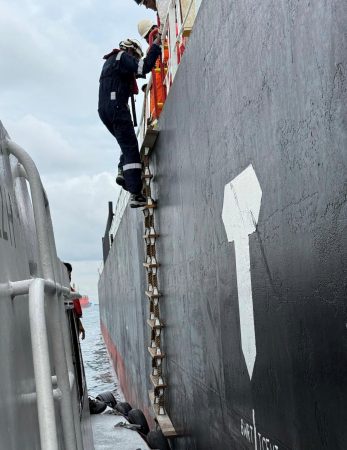
Before boarding the chemical tanker, I underwent a safety briefing and donned the full PPE. Then came the pilot ladder – rope sides and wooden rungs swaying against the hull. The moment I grabbed hold of the ladder, my excitement kicked in immediately, and that was my introduction to the physical realities of life at sea.
First stop was the mess room, where the crew welcomed us with Indian curries, rice, and chilli crab., The chef had taken it upon himself to serve one of Singapore’s most iconic dishes – a small but thoughtful gesture for the crew to have a taste of the culture of the port they were in.
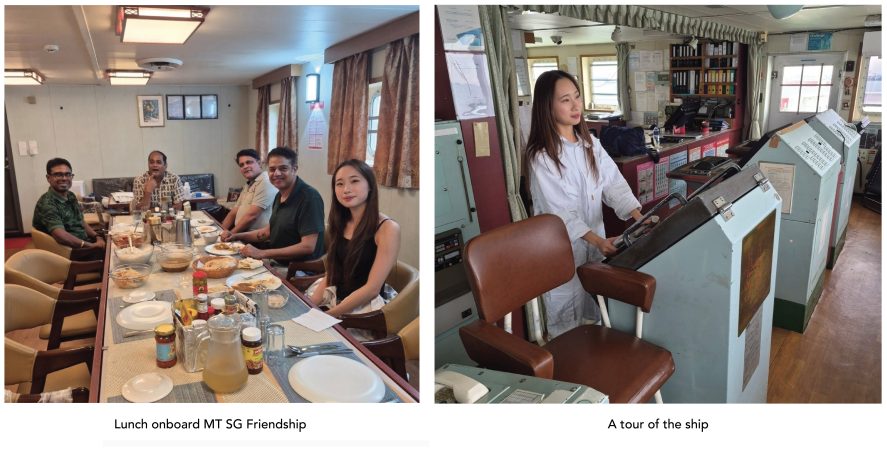
On the bridge, I discovered how different the theory I picked up from classrooms about the maritime technologies at NTU is from reality. Watching the ECDIS (Electronic Chart Display and Informational System), AIS (Automated Integrated System) and ARPA (Automatic Radar Plotting Aid) work together in real time was a moment my academic learning came alive. The officer then invited me to the helm, the station where a vessel is steered, and looking out over the full length of the vessel from that position was genuinely surreal.
An unexpected detail was observed near the bow: a figure that appeared to be a crew member. Upon closer observation, it was actually a life-sized dummy, dressed in a boiler suit and helmet. This simple measure was used in response to possible piracy – a significant security concern.
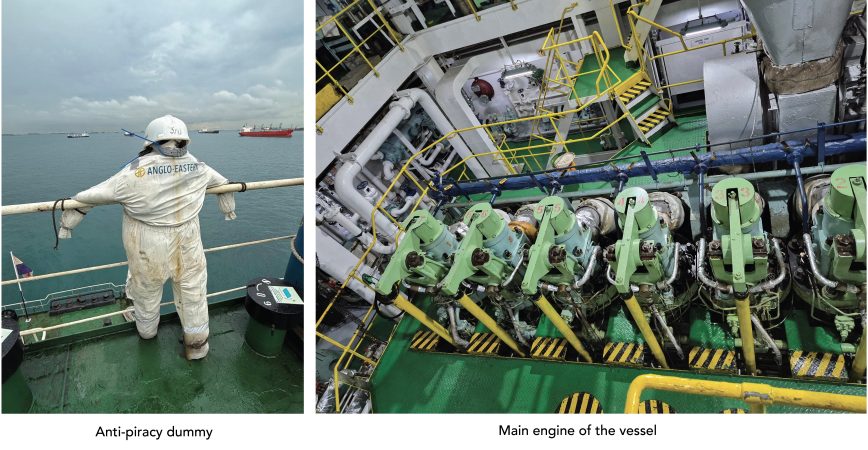
The engine room initially presented a high level of noise, followed by a significant increase in heat. The main two-stroke diesel is enormous in size beyond what any photograph can capture.
By the end, my feet were tired and my head was full. But this day gave me valuable perspective — that everything we coordinate from the office serves one fundamental obligation: ensuring our vessels remain seaworthy and cargo-worthy, while supporting the people onboard who keep operations running safely and efficiently.
To shore-based colleagues who haven’t yet had the chance to set foot onboard — I would encourage you to take the opportunity when you can. It promises to be a valuable experience that will enrich your understanding as a maritime professional.