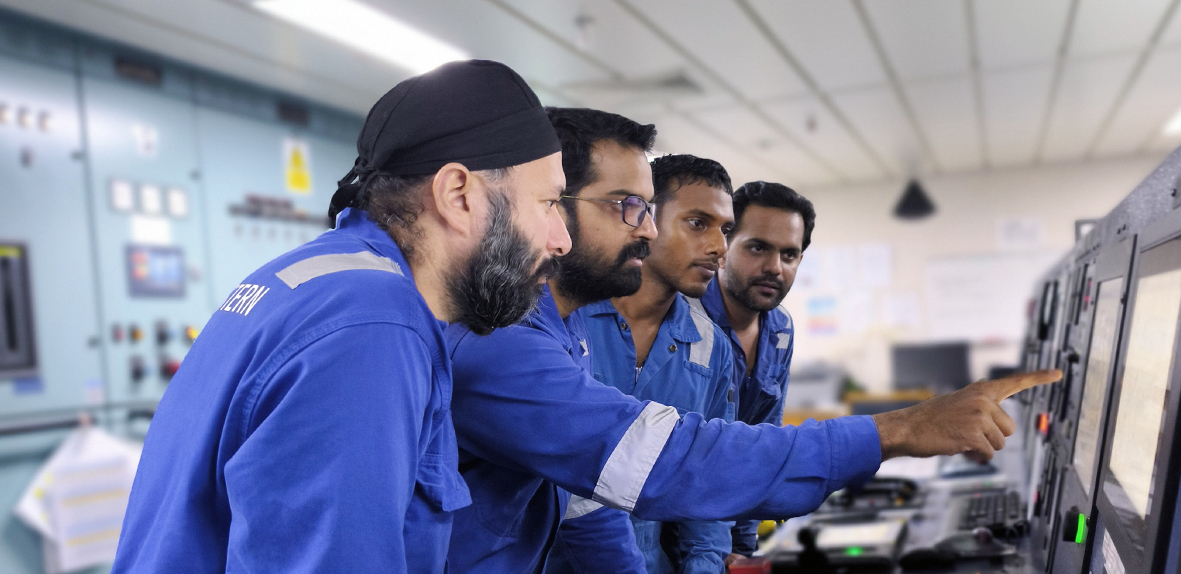
Capt Jayakumar Sankaran, Director of Fleet Operations at NYK Bulkship (Asia), explains why real safety depends on questioning assumptions, recognising risk and having the courage to speak up.
Safety is one of the most frequently used words in shipping. It appears in meetings, campaigns, procedures, inspections, audits and reports. Yet after years at sea and ashore, I still return to a simple question: what do we mean when we say safety?
For some, it means following procedures or achieving compliance. For others, it means zero accidents or simply going home safely. All are valid. For me, safety is the ability to recognise danger before danger recognises you.
A question that prevented an incident
Many years ago, during a routine onboard operation, everything appeared normal. The weather was good, the team was experienced and the procedure had been completed many times before. During preparations, an ordinary seaman asked: “Chief, are we certain this is the correct valve?”
We stopped and checked. The valve line-up was wrong. No accident, pollution or injury followed, and there was no investigation or headline. Yet that simple question may have prevented a serious incident. It reminded me that safety is often invisible. Some of the greatest safety achievements are the accidents that never happen.
Familiarity can hide risk
Feeling safe and being safe are not the same. A machine may have worked reliably for years while an unseen defect develops. A task completed successfully a hundred times may appear safe only because nothing has gone wrong before.
Repeated success can create comfort, comfort can create familiarity, and familiarity can lead to complacency. A shortcut taken once without consequence becomes easier to repeat. A step skipped without incident begins to look unnecessary. Past success should never be mistaken for future safety.
Safety requires more than words
Meetings, observations, permits and checklists all matter, but they do not remove the hazard. A mooring line does not become safe because a meeting was held. An enclosed space does not become safe because a permit was issued. Words and documents support safety; action controls risk.
The best seafarers I have worked with ask practical questions: What can go wrong? What am I missing? What barriers are in place? What happens if they fail? What is our back-up plan? These questions may not include the word “safety”, but they create it. Safety is logic applied before an incident occurs.
The courage to speak up
Safety also requires the courage to say: “I do not understand.” “Can we check again?” “Something does not look right.” “Can we stop for a moment?”
Sometimes the safest action on board is asking one more question. Real safety is not a slogan, certificate or completed checklist. It is a continuous state of awareness, found in the assumptions we challenge, the risks we recognise, the decisions we make and the care we show one another.
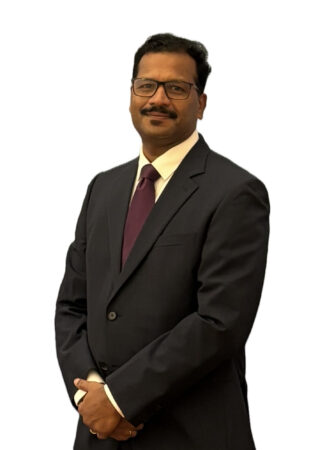
Contributor:
Capt Jayakumar Sankaran, MBA, PG Dip., AFNI, FICS, is Director, Fleet Operations at NYK Bulkship (Asia) Pte. Ltd., Singapore. He has more than 36 years of maritime experience spanning shipboard operations, technical and commercial management, safety and organisational leadership.