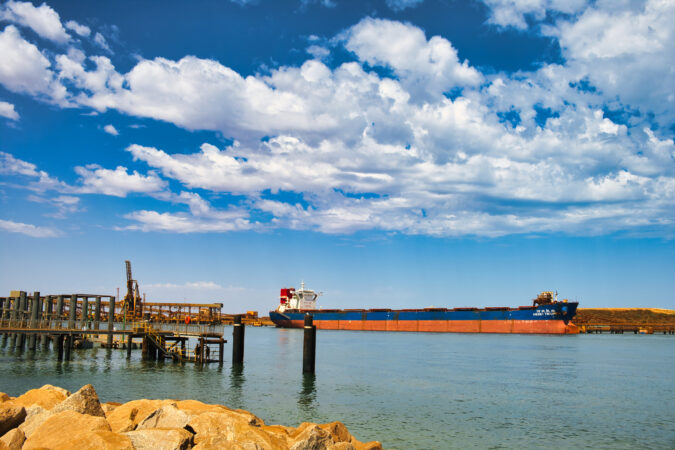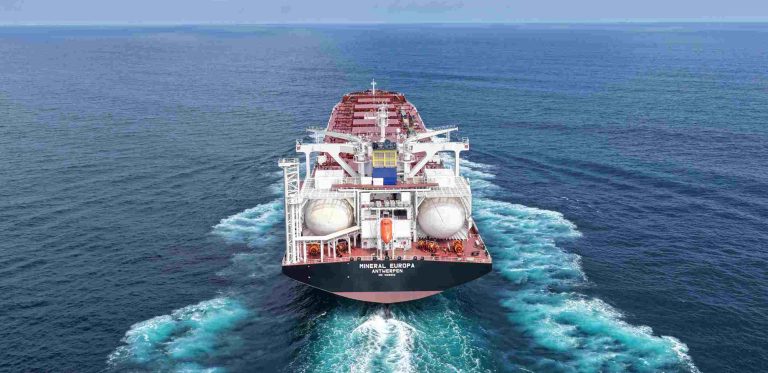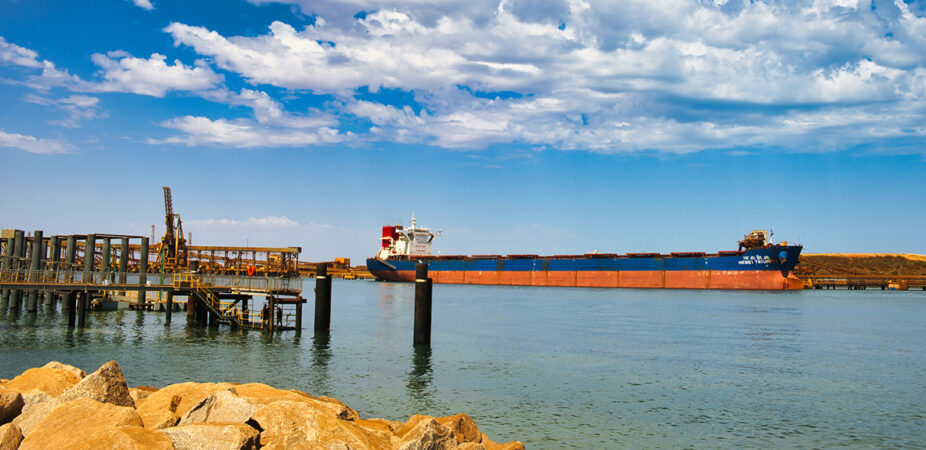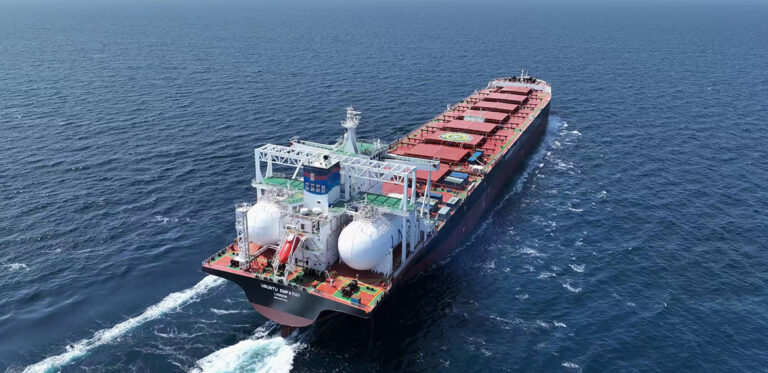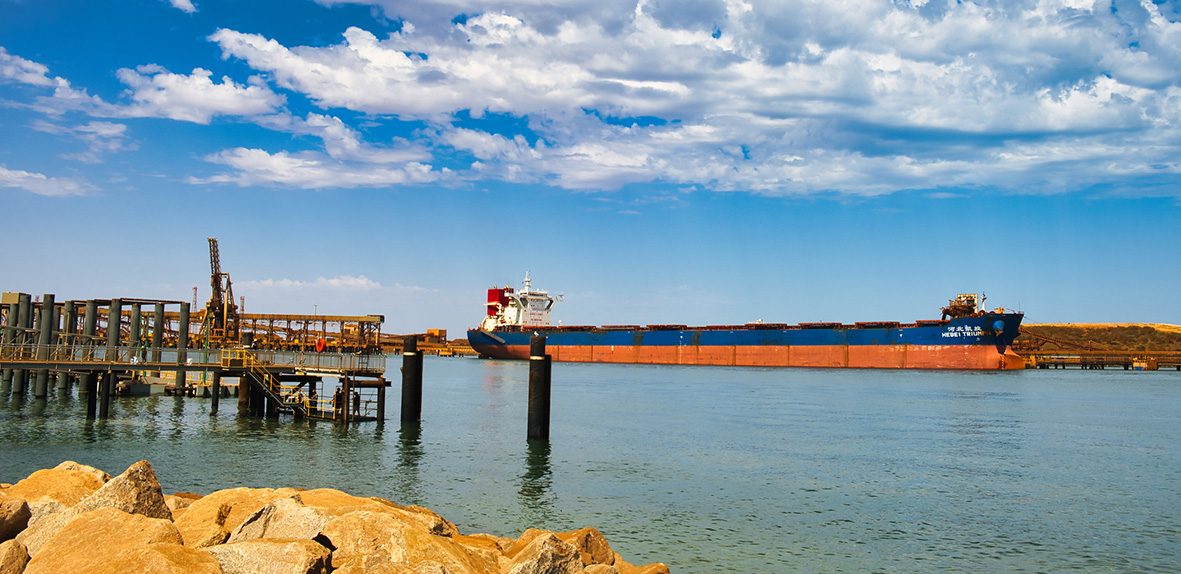
Anglo-Eastern-managed ships call at Port Hedland roughly once a day, year-round, accounting for about one in every ten vessel calls at the port. Across Australia, our managed fleet makes around 1,000 port calls a year.
At that scale, port and terminal requirements directly shape our seafarers’ daily work. Attending the Safe Ships, Safe Ports Forum 2026 in Perth alongside a meeting of the Association of Resource Companies, Ship Operators, Ports & Terminals (ARCSOPT) prompted me to reflect on a broader question: how should ships, ports and terminals share responsibility for safe, efficient operations?
Three themes stood out, each relevant to how Anglo-Eastern supports its fleet.
Standardisation where it makes sense
Ports operate in different environments, and genuinely local risks sometimes need local solutions.
But every additional port, terminal or reporting requirement has to be managed somewhere, and much of that burden still finds its way onboard. A requirement that looks modest from one port’s perspective can look very different to a Master encountering a new variation at every call.
With vessels trading globally, Anglo-Eastern sees that cumulative effect clearly. Our role is not only to comply, but also to engage constructively with ports, owners and industry partners where greater consistency could achieve the same safety outcome with less complexity.
The principle is simple: Where the risk is common, the standard should be common. Local requirements should address genuinely local risks. Efficiency ashore should not mean workload onboard.
More efficient port calls should benefit the whole supply chain, but not by shifting additional complexity or workload onboard. That ship-shore balance is something we have been looking at within Anglo-Eastern.
Our Agency Hub centralises much of the coordination and administration surrounding port calls, rather than leaving every vessel and business unit to manage these activities independently.
Our Vetting Desk takes a similar approach to inspections. Lessons from one vessel’s experience can be analysed centrally and used to improve preparation across the wider fleet, rather than every ship learning the same lesson independently.
The philosophy behind both is the same: Centralise information and specialist expertise, while keeping operational judgment where it belongs.
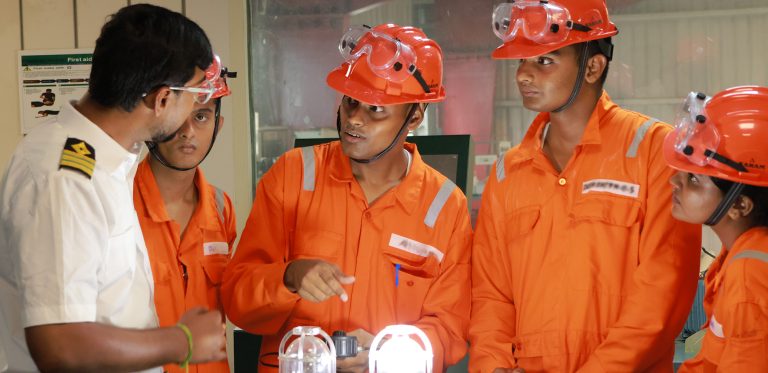
The objective is not to diminish the Master’s authority or the crew’s responsibilities, but to provide better support and more time to focus on safe operations.
Technology should simplify, not add
The same thinking shapes our approach to AI, automation and digitalisation.
A port call can still involve the same information being provided several times to agents, ports, terminals and authorities. Automating each individual step helps, but there is a more fundamental question: If we were designing port-call processes today, with AI and automation available from the start, would we design them this way at all?
For seafarers, the measure of success should be straightforward: does the technology remove repetitive work and make it easier to focus on the operation so that they can spend more time applying judgement and expertise, or has it simply created another system to manage?
Designing the whole system
Perhaps the strongest takeaway from Perth was the importance of looking beyond individual parts of the system.
As ships become larger and more efficient, port infrastructure, towage, mooring, communications, emergency response and digital information exchange must evolve alongside them.
Where local requirements begin to influence vessel equipment or design, we also need to remember that ships trade globally for decades. The industry should therefore consider carefully whether the safest solution lies onboard, ashore or in better coordination between the two.
Managing more than 700 vessels gives Anglo-Eastern a broad view of where ship-shore interfaces work well, and where greater consistency, collaboration or redesign could make them better.
Safe ships need safe ports. Achieving both requires us to look beyond our individual part of the operation and consider the system as a whole. That, for me, is what shared responsibility really means.